

 Reviews
The Impact of Natural Light on Your Flooring Choices: A Comprehensive Guide
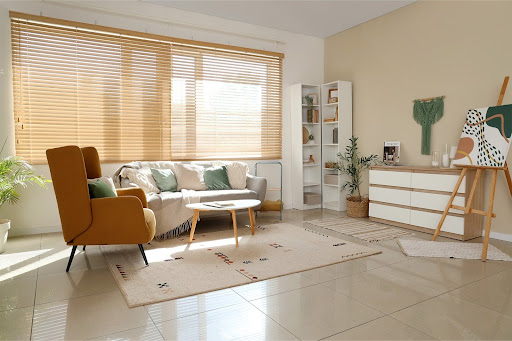
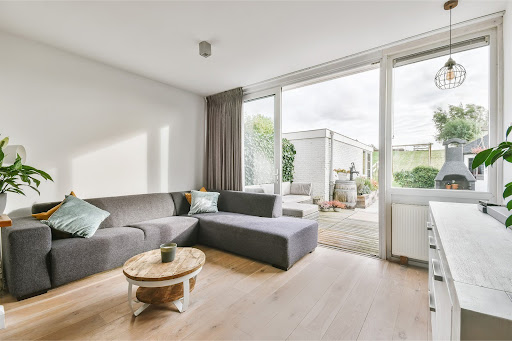
When homeowners walk into a flooring showroom, they often focus on three things: durability, price, and color. While these are essential pillars of a smart purchase, there’s another huge factor to consider in interior design that often goes overlooked until the flooring is already installed in the home—natural light.
Sunlight doesn’t just illuminate your space. It actively changes the way your flooring looks! Light can make dark espresso hardwood look sophisticated in a sun-drenched living room, while the same floor might feel oppressive and heavy in a basement with small windows. The sun’s UV rays can also alter the color of your flooring over time.
Whether you’re building a new home, renovating a single room, or simply trying to style your space more effectively, it’s important to understand the relationship between sunlight and flooring.
How Light Changes Appearance
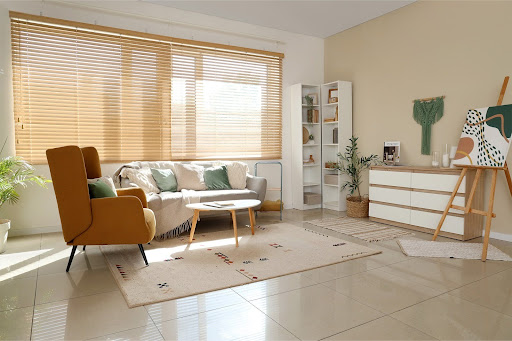
The color you see on a flooring sample under the bright, fluorescent lights of a retail store is rarely the color you’ll see in your home. Light is a spectrum, and different light sources emphasize different hues.
North-facing rooms receive the most consistent light throughout the day, but it is naturally ‘cooler,’ or bluish. This cool light can make gray-toned floors look flat or even slightly clinical. Warm-toned woods (like honey oak or cherry) can help balance this coolness. If you choose a very dark floor in a north-facing room, be prepared to supplement with plenty of warm artificial lighting to prevent the room from feeling cave-like.
On the other hand, rooms with south-facing windows are a homeowner’s dream, receiving intense, warm sunlight that enhances the natural warmth in wood and stone. However, it can also wash out very light-colored floors, making them look white or blown out. South-facing rooms are the best candidates for darker, richer stains like walnut or charcoal, as the abundance of light prevents the space from feeling cramped.
East- or west-facing rooms experience the most dramatic changes. East-facing rooms are bright and yellow in the morning but grow shadowy in the afternoon. West-facing rooms start cool and end the day with a fierce, orange-red ‘golden hour’ glow. View your flooring samples in these rooms at both 9:00 AM and 4:00 PM to ensure you love the floor even when the light shifts.
How UV Light Can Impact Your Flooring
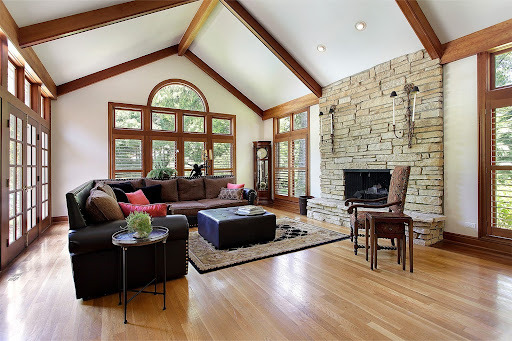
Natural light isn’t just a visual element; it is a physical force. Ultraviolet (UV) and infrared light can cause significant changes to flooring materials through a process called photodegradation.
Hardwood Flooring
Different wood species react differently to the sun. Some species of hardwood flooring, such as American Cherry and Exotic Brazilian Cherry, are highly photosensitive. They will actually darken or ‘amber’ significantly over the first year of sun exposure. Conversely, stained woods tend to fade, as the sun breaks down the chemical bonds in the pigment.
Luxury Vinyl and Laminate
Modern luxury vinyl flooring and laminate flooring are engineered with UV-resistant wear layers. However, they’re not UV-proof. Prolonged exposure to intense, direct sunlight can eventually cause the decorative ‘print’ layer to lose its vibrancy.
Carpet
When it comes to carpet fibers, particularly natural ones like wool or certain nylons, can experience sun bleaching. This is most noticeable in dark or vibrant colors (like navy blue or deep red), where the portion of the carpet exposed to a sliding glass door may become several shades lighter than the carpet tucked under the sofa.
Your Flooring’s Light Reflectance Value
When choosing a floor, you must consider the light reflectance value (LRV). This is a measure of how much light a surface reflects versus how much it absorbs.High-gloss finishes act like a mirror. In a room with massive windows, a high-gloss floor can create glare zones that are uncomfortable for the eyes. However, in a small, dark hallway, a semi-gloss finish can help bounce light around, making the space feel larger.
Matte and wire-brushed finishes, on the other hand, absorb light. They’re excellent for bright rooms because they eliminate glare and hide the dust and pet hair that sunlight often highlights.
Polished marble or porcelain tile has high reflectivity, which can make a space feel regal and bright, whereas honed or tumbled stone feels more grounded and muted.
Using Flooring to Control Light
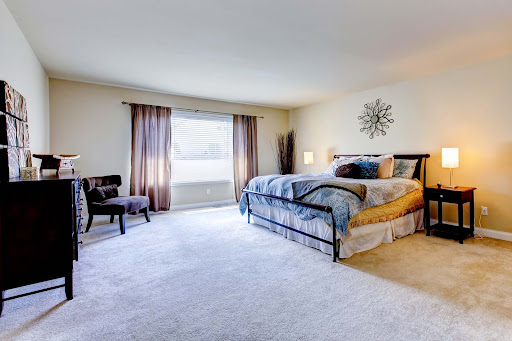
If you’re dealing with a room that has difficult light, your flooring choice can be your best tool for correction. To brighten a dark room, choose lighter wood species like oak, maple, or ash. Look for “blonde” or “greige” planks, or opt for wider planks; fewer grout lines create a cleaner surface for light to travel. To warm up a large, cold room, use textured flooring, such as hand-scraped wood. Deep, warm browns and reddish-gold tones can make cavernous rooms feel more intimate and contained.
Protecting Your Floors from Sun Damage
You don’t have to live in the dark to save your floors. Here are a few ways to manage the impact of natural light:
Window treatments. Use sheer curtains or solar shades. These allow light into the room while filtering out the harmful UV rays that cause fading.
Low-e glass. If you’re replacing windows, look for low-emissivity (low-e) coatings, which are specifically designed to block UV and infrared light.
Area rugs. While rugs protect the floor, they also create ‘tan lines.’ Periodically move your area rugs or furniture so the floor fades at an even rate across the entire room.
Test flooring samples. When you take a sample home, leave it in the sun for a few days. Observe how the texture looks when the light hits it—this will reveal every speck of dust and every scratch, helping you decide if that specific finish is right for your lifestyle.
Find the Perfect Flooring for Your Home
Natural light brings a home to life. It highlights the grain in wood, the texture of stone, and the softness of carpet. However, it requires a thoughtful approach and flooring that will work with it, not against it. By considering the direction of your windows, the photosensitivity of your materials, and the gloss level of your finish, you can create a space that looks beautiful all day long.
Do you have questions about which flooring species are most sun-resistant? Do you need help choosing a color for a north-facing room? Contact the team at AJ Rose Carpets & Flooring today or visit our showroom. Our experts are ready to help you find the flooring that will shine in your home!