

 Reviews
Subfloor Secrets: Why Historic Greater Boston Homes Need Engineered Hardwood
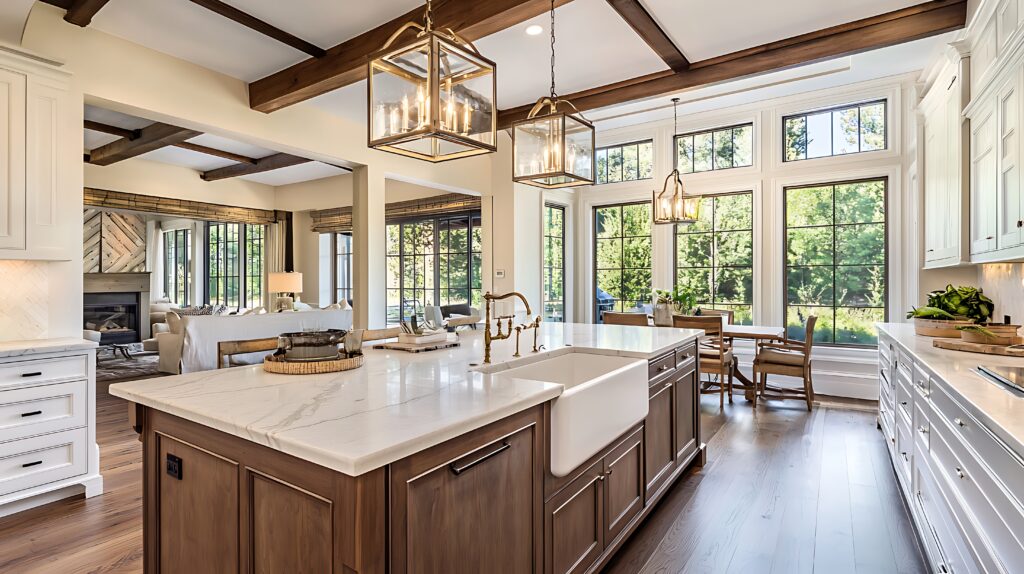
Owning a historic home in Greater Boston comes with incredible perks, from hand-carved millwork to a distinct architectural character you just cannot find in modern builds. For these classic local properties, engineered hardwood is the best way to get a timeless wood look without fighting a losing battle against your home’s original structure. Anyone living in a classic colonial in Lexington, a triple-decker in Somerville, or a Victorian in Newton knows that these beautiful old structures have their quirks.
Among them is a temperamental foundation right beneath your feet.
When you decide to upgrade your flooring, what lies underneath matters just as much as the beautiful new surface you choose.
The Toll of New England Weather on Century-Old Subfloors
In older homes throughout Eastern Massachusetts, subfloors were not built with the flat, uniform plywood sheets used today. Instead, they usually consist of thick pine planks nailed diagonally across the joists. Over a century of use, these planks shift, warp, settle, and cup.
If you lay traditional solid hardwood directly over an uneven, moving plank subfloor, you are asking for trouble. Solid wood reacts significantly to changes in the environment. Because New England brings humid, sticky summers and bitterly cold, dry winters, solid wood planks constantly expand and contract. When you put that moving wood on top of an already unstable plank foundation, you get gaps, boards that buckle, and constant, annoying squeaks.
How Engineered Hardwood Solves the Historic Home Dilemma
Engineered hardwood is real wood, but it is specifically constructed to handle the structural and seasonal stresses that historic homes experience.
Premium wood top layers are bonded over multiple cross-grained layers of backing, rather than using a single solid piece of timber. Cross-grain construction forces the layers to push against each other, stopping the wood from expanding and shrinking when the weather shifts.
When the summer humidity spikes in Arlington or the radiator heat dries out the air in Winchester during January, engineered wood stays flat and stable. It handles the slight imperfections and natural settling of historic joists much better than solid planks can.
What to Expect During a Historic Subfloor Upgrade
Local homeowners usually have a few specific concerns when updating an older floor. Understanding how the material interacts with an old house makes the installation process much smoother.
Do you need to tear out the original plank subfloor?
In most cases, you do not. As long as the original pine planks are structurally sound and free of rot, an installer can secure the loose boards, level out the worst spots, and install engineered planks right over them.
Expanding your design options
Because engineered planks are so structurally stable, they can go in areas where solid wood is highly risky.
- Basements and Radiant Heat: They perform beautifully over concrete basement floors or rooms with radiant heating systems, letting you get a cohesive look throughout the entire house.
- Historical Accuracy: You do not have to sacrifice the look of the home. Engineered options include wide planks, deep wire-brushed textures, and classic species like oak, maple, or hickory that look completely authentic to the era of your house.
Finding the Right Engineered Hardwood for Your Boston Home
Every historic home has its own structural realities, and finding a floor that respects that character takes a bit of planning. AJ Rose has been family-owned and operated since 1977, and our team knows exactly how to handle the unique quirks of local New England properties.
You can see how different wood species and finishes look in person by visiting any of our five showrooms across Eastern Massachusetts. Stop by to talk with our team in Burlington, Natick, Needham, Lynnfield, or our newest showroom in Belmont.
If you want to see how these options look under your own home’s lighting next to your original trim, we can bring the store to you. Use our shop-at-home service, and we will bring a selection of engineered hardwood directly to your door.