

 Reviews
Waterproof vs. Water-Resistant: Demystifying Bathroom and Basement Flooring Options
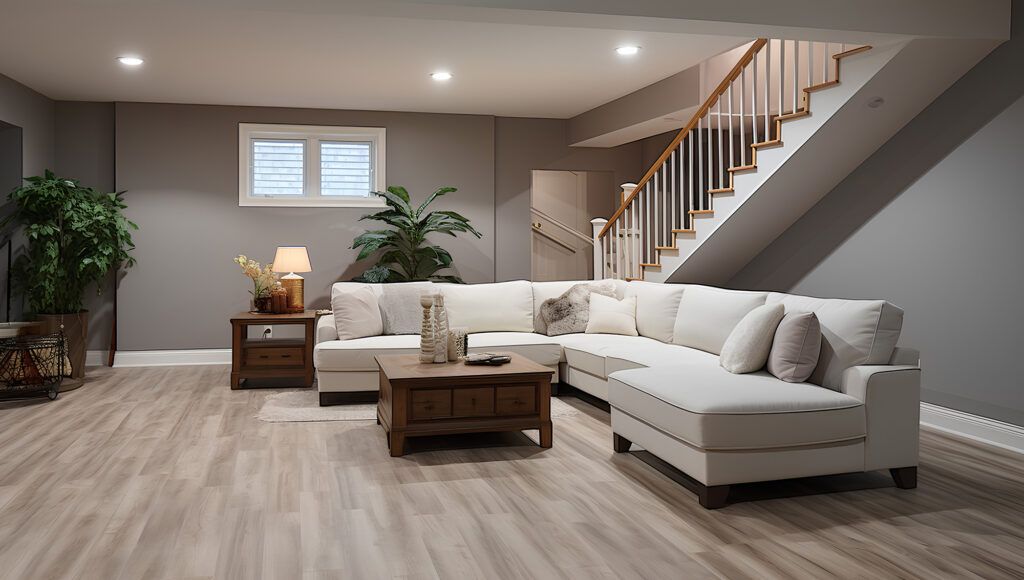
In a busy home, your floors go through a lot. Between splashing bath times, spilled juice boxes, and muddy cleats tracked in after a rainy soccer practice, your floors need to be able to handle your daily life, especially in rooms prone to moisture, such as your bathroom and basement. When you start looking for a durable surface that can survive these everyday messes, you will constantly run into two terms that sound almost identical: waterproof and water-resistant. The right option comes down to how each material deals with a wet environment, and knowing that difference is the secret to protecting your investment.
Understanding Waterproof vs. Water-Resistant Flooring
While both types of flooring provide excellent protection against daily life, they are designed for different levels of moisture exposure. Both handle the chaotic routines of busy families, muddy paws, and the damp shoes that come with Greater Boston winters. People often use the terms interchangeably, but knowing how they differ helps you protect your investment.
Waterproof Flooring
Waterproof materials are completely impervious to moisture, meaning the flooring planks or tiles themselves cannot absorb liquid. Even if a pipe bursts in the bathroom or your basement takes on standing water over a long weekend, the material will not swell, buckle, or warp. This protection is permanent and goes all the way through the floor itself.
But it is important to remember that while the top surface is waterproof, your subfloor is not. Water can still seep through the seams between planks or around the edges of the room. If moisture gets trapped underneath, it can ruin your wood subfloor or cause mold issues, which is why proper installation and quick cleanup are still vital.
Water-Resistant Flooring
Water-resistant flooring is built to delay liquid from soaking into the core. It gives you a window of time to clean up a spilled glass of water, a knocked-over dog bowl, or melting snow. But if you leave moisture sitting, it will eventually penetrate the surface, cause the material to expand, and ruin the floor.
Real-World Flooring Choices for Wet Areas
Different areas of your home experience different types of water exposure. Looking at how specific materials handle wet environments makes it easier to match the right product to your space.
Porcelain and Ceramic Tile
Tile is a traditional, time-tested option that offers zero water absorption on its own surface. It is completely waterproof, but successful installation in a wet environment requires looking beneath the surface. Installers must use a cement backerboard instead of standard drywall or plywood to prevent moisture from seeping deep into the walls or subfloor. The grout lines must also be sealed regularly to keep water from getting underneath the tiles and loosening the bond over time.
Luxury Vinyl Planks and Tile
Luxury vinyl is a top choice for full moisture protection because it features a completely synthetic core. High-quality vinyl lines can handle heavy top-down puddles or plumbing leaks without any structural damage. It gives you the look of natural wood or stone with zero risk of warping, making it ideal for high-traffic bathrooms and lower levels.
Laminate Flooring
Modern laminate has come a long way and now includes both water-resistant and waterproof options. The top wear layer keeps topical spills from penetrating for 24 to 72 hours, depending on the product line. While waterproof laminate handles surface spills beautifully, it is still smart to avoid putting it in areas with permanent subfloor dampness since the core often contains compressed wood fibers. It is a fantastic, durable fit for mudrooms, powder rooms, and kitchens.
Which Flooring Option is Right For Your House?
Every room has its own set of demands, and the right choice depends on your daily habits, your home’s layout, and the specific room you are upgrading.
- Active Households with Kids and Pets: If you are dealing with spilled juice boxes, overflowing bathtubs, and muddy paws, waterproof luxury vinyl or a high-end waterproof laminate offers the easiest cleanup and the greatest peace of mind.
- Upgrading a Full Family Bathroom: Showers and baths create constant humidity and puddles. Porcelain tile with proper backerboard or luxury vinyl tile is the safest choice to ensure water never reaches your subfloor.
- Finishing a Lower Level or Basement: Below-ground spaces face invisible moisture that pushes up through the concrete slab. Waterproof luxury vinyl planks handle this underground vapor transmission beautifully without molding or separating.
- Making a Long-Term Investment: If you want a timeless look that lasts for decades and adds strong resale value to a historic home, professionally installed porcelain tile is incredibly difficult to beat.
Finding the Right Flooring for Your Home
Selecting a floor that handles your home’s specific moisture levels takes a bit of planning. AJ Rose has been family-owned and operated since 1977, and our team understands how to match flooring materials to the unique structural needs of Eastern Massachusetts homes.
You can compare waterproof and water-resistant options side-by-side by visiting any of our five showrooms across the region. Stop in to see us and speak with an expert in Burlington, Natick, Needham, Lynnfield, or our newest showroom in Belmont.
If you want to see how these different styles look under your own lighting, we can bring the samples directly to your door with our shop-at-home service. You can also contact us today to schedule a consultation and get your project started.