

 Reviews
The Faux Wood Face-Off: Luxury Vinyl Plank vs. Laminate for New England Homes
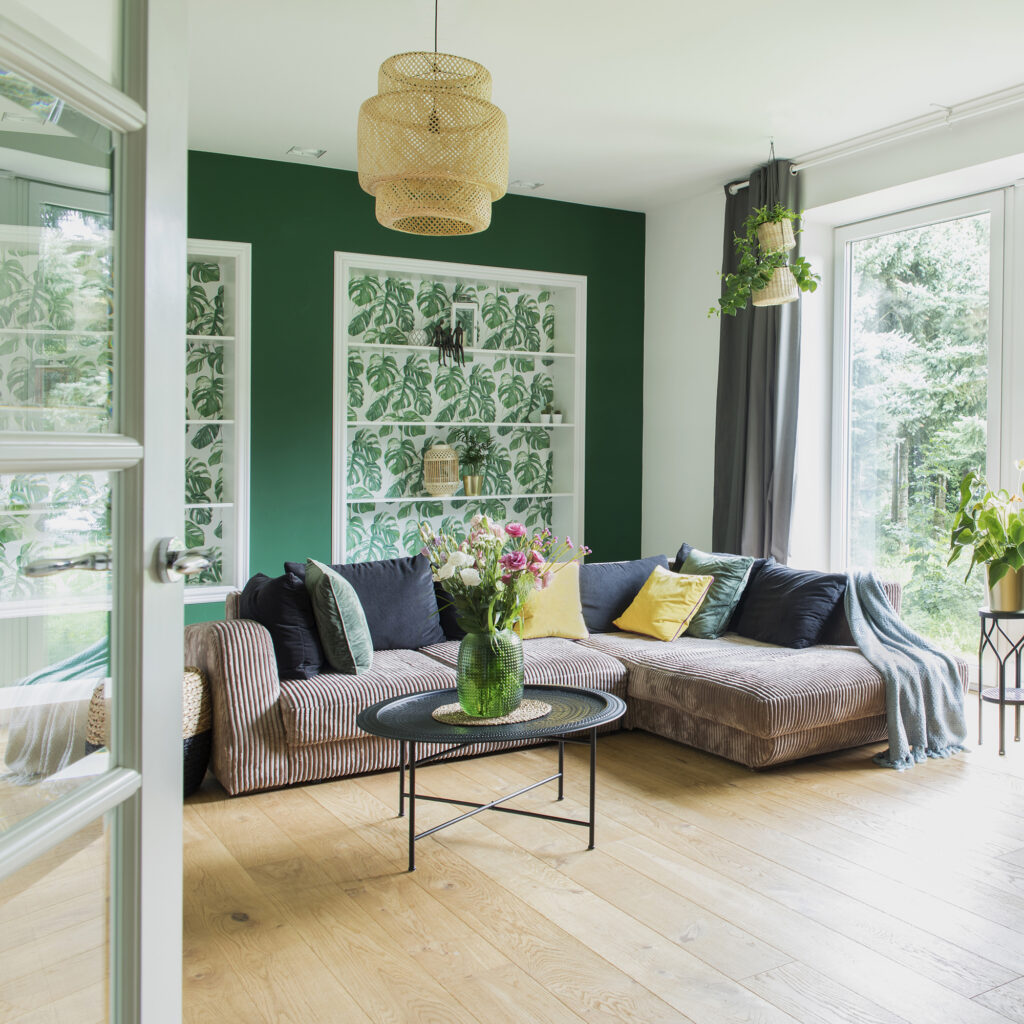
Wood-look flooring changes how you approach high-traffic living spaces. Natural hardwood brings undeniable warmth to a room, but humid New England summers, snowy winters, and active households often demand a material that needs far less maintenance. Luxury vinyl plank (LVP) and modern laminate both replicate real oak, maple, and hickory with incredible detail. Deciding between the two comes down to how each material handles moisture, daily foot traffic, and the specific subfloors found in Eastern Massachusetts homes.
Moisture Resistance and Wet Winter Weather
Winter weather in Greater Boston brings a constant influx of slush, melting snow, and road salt right through your front door. Knowing how each material reacts to water helps you choose the right flooring for mudrooms, kitchens, and basements.
Luxury vinyl plank features a 100% synthetic core made from stone-plastic composite (SPC) or wood-plastic composite (WPC). Water sitting on top of an LVP floor cannot penetrate the planks, and the material itself will never swell, cup, or buckle. If a pipe bursts in your Newton basement or your kids track wet snow into your Lexington entryway, luxury vinyl handles the moisture without any permanent damage.
Modern laminate offers much better water resistance today than it did a decade ago. High-end laminate lines use protective surface coatings and tight locking mechanisms that trap topical spills on the surface for up to 72 hours. But the inner core of a laminate plank still consists of compressed wood fibers. If standing water seeps past the click-lock seams or pushes up from a damp concrete subfloor, that compressed wood core can absorb liquid and expand over time.
- Best for Basements and Mudrooms: Luxury vinyl plank gives you total peace of mind in high-moisture spaces and lower levels where underground moisture is a constant threat.
- Best for Powder Rooms and Kitchens: High-quality water-resistant laminate performs exceptionally well in main-floor kitchens and half-baths where you clean up spills quickly.
Wear Resistance, Scratch Defense, and Underfoot Feel
Scratch resistance matters just as much as water protection when you have active kids, large dogs, or a busy household. The surface construction of these two materials creates a very different experience underfoot.
Laminate features a dense aluminum oxide top wear layer mounted over a rigid fiberboard core. That hard surface makes laminate exceptionally resistant to scratch marks from dog claws, sliding dining chairs, and dragged toys. The rigid core also gives laminate a firm, solid feel underfoot that closely mimics the density of traditional hardwood.
Luxury vinyl plank uses a clear vinyl wear layer measured in mils (such as 12-mil or 20-mil commercial-grade layers) to protect the printed wood pattern underneath. While luxury vinyl resists denting and impacts from heavy furniture exceptionally well, deep grit or sharp objects can dull the surface finish over years of heavy use. Vinyl planks feel slightly softer and warmer under bare feet than laminate, making them comfortable for bedrooms and family rooms.
Subfloor Prep in Historic vs. Modern Architecture
Older properties across Brookline, Cambridge, and Somerville often feature original pine plank subfloors that have shifted, settled, and unlevelled over the past century. Newer builds in Wellesley and Weston usually feature flat, uniform plywood subfloors.
Rigid laminate planks need a flat foundation to lock together properly. Laying laminate over an uneven subfloor creates vertical movement between the planks, which causes the locking joints to squeak, loosen, or snap under foot pressure. Installers must spend extra time leveling out dipping joists and securing loose subfloor boards before floating a laminate floor in your space.
Flexible and thick-core SPC luxury vinyl planks adapt slightly better to minor subfloor imperfections. Vinyl still needs a clean, smooth surface to prevent subfloor telegraphing—where bumps underneath show through the top of the plank—but the material accommodates the slight settling common in historic homes without cracking at the seams.
Visual Realism and Texture Depth
Printing technology allows both materials to capture the authentic knots, wire-brushed textures, and grain variations of real timber.
Laminate features a deeper embossed-in-register (EIR) texture that aligns the surface feel directly with the printed wood pattern underneath. That deep embossing, combined with a low-matte finish, swallows direct sunlight and overhead glare, giving laminate an exceptionally realistic wood look.
Luxury vinyl plank offers wide boards, bevel-edged seams, and realistic surface textures across a huge range of colors. High-gloss vinyl can sometimes show artificial reflection lines under heavy overhead lighting, but low-sheen matte LVP lines capture the subtle look of oil-rubbed hardwood so perfectly that your guests will rarely notice the difference.
Finding the Right Floor for Your Home
AJ Rose has been family-owned and operated since 1977, helping local residents navigate the practical realities of New England weather and home construction. You can compare waterproof luxury vinyl and durable laminate options side-by-side by visiting any of our five showrooms across the region. Come talk with our team and see full sample boards in Burlington, Natick, Needham, Lynnfield, or Belmont.
Seeing how different finishes and wood visual styles react to your home’s natural light helps you select the best surface for your lifestyle. Use our shop-at-home service to have a mobile showroom bring hundreds of LVP and laminate samples directly to your living room, or contact us to schedule a free consultation with a flooring expert.