

 Reviews
The Layering Guide: How to Pair Rugs with Your New Hardwood or Vinyl Floors
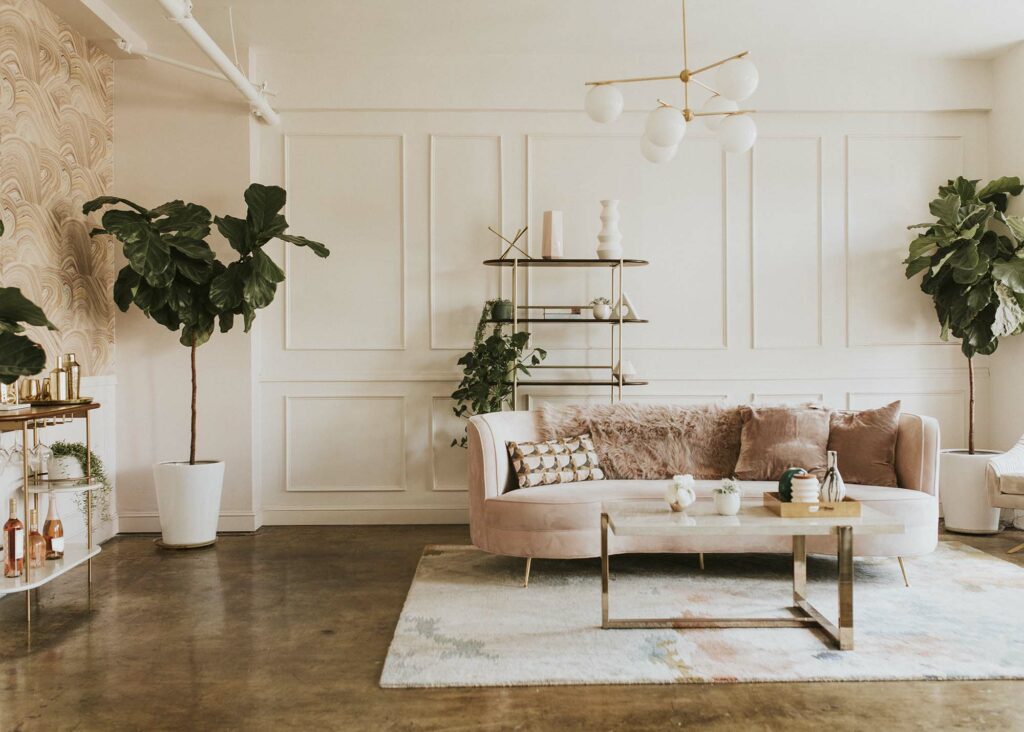
A quality area rug placed over new hardwood or luxury vinyl planks adds warm comfort to your living space, but standard retail rug sizes rarely fit the unique room shapes found in Eastern Massachusetts homes. Historic double parlors, angled bay window nooks, and drafty winter subfloors need a thoughtful approach to proportions, backings, and rug materials. Layering your rugs balances room acoustics, anchors awkward furniture layouts, and shields your hard-surface floors from local weather and daily wear.
Historic Layout Solutions for Custom Base Rugs
Classic architecture across Brookline, Cambridge, and Newton brings incredible character to a property, but non-standard room layouts create real decorating hurdles. But a custom area rug can be perfectly tailored to your space.
- Double Parlors and Pocket-Door Rooms: Victorian double parlors feature long, open spaces connected by pocket doors or grand casings. One large rug feels overwhelming, while two identical rugs make the room look fragmented. Laying a large, neutral broadloom base rug across the space—custom-cut to leave your original hardwood floor borders exposed—allows you to place a smaller, patterned accent rug in the primary seating area. You define two functional zones without hiding your floor’s perimeter craftsmanship.
- Angled Bay Windows and Turret Nooks: Somerville triple-deckers and Jamaica Plain Queen Annes frequently feature octagonal bay window nooks. A square or rectangular rug cannot sit flush in these spaces without bunching against baseboards or blocking steam radiator valves. Placing a small round or angled accent rug over a flat, wall-to-wall or large custom base rug fills the nook cleanly.
- Fireplace Hearth Cutouts: Historic homes often feature prominent brick or marble hearths that extend into the floor plan. A custom-bound base rug tailored around the hearth lets you place a softer accent rug on top, protecting the hardwood floor directly in front of the fire.
Thermal Barriers for Uninsulated Basement Floors
Ground-floor hardwood or vinyl sitting over a century-old, uninsulated fieldstone basement gets cold during New England winters. Cold air rising through old floor joists makes bare floors uncomfortable underfoot in January.
Layered rugs create an effective thermal barrier that traps warmth inside your living space.
Start with a dense 100% wool base rug over a thick felt rug pad. Wool acts as a natural insulator, stopping cold drafts from pushing up through subfloor gaps. Adding a plush, textured accent rug on top gives you extra cushion and warmth in main seating areas where your feet rest, reducing cold spots throughout the ground level.
Floor Protection Against Radiator Heat and Winter Salt
Preserving your new floor finish means selecting rug materials and pads that can withstand New England weather and heating systems.
- Cast-Iron Radiator Heat: Steam radiators create concentrated dry heat zones on nearby floorboards. Synthetic rubber or cheap PVC rug pads bake under localized radiator heat, chemically reacting with polyurethane wood finishes or discolored luxury vinyl. Always use breathable natural rubber or dense felt pads that allow heat to dissipate safely.
- Winter Salt and Slush Protection: Winter foot traffic tracks calcium chloride road salt, melting slush, and gritty sand right through your entryway. Delicate silk, rayon, or viscose rugs wear quickly under these conditions. In high-traffic mudrooms and foyers, lie a high-performance synthetic accent rug made from stain-resistant PET or polypropylene over a flat-weave base rug. You can easily spot-clean or wash the top accent rug when winter slush tracks inside.
Custom Broadloom Fabrication in Our Local Workshop
Finding a store-bought rug that matches both your design style and the exact dimensions of an older home can prove frustrating.
AJ Rose offers full custom rug fabrication directly from our broadloom carpet inventory. You can select any broadloom carpet pattern—from rich New England wool plaids to subtle low-pile textures—and our workshop will cut, bind, or serge the edges to match your room’s exact shape. You get complete control over width, length, and border finishes, ensuring your rug layers fit your architecture perfectly.
Finding the Right Rug Combination for Your Home
AJ Rose has been family-owned and operated since 1977, helping local residents find the ideal balance between durable flooring and custom rugs tailored to Eastern Massachusetts properties. You can explore thousands of broadloom styles, custom edge bindings, and rug pads by visiting any of our five showrooms across the region. Come see our extensive collections in person in Burlington, Natick, Needham, Lynnfield, or Belmont.
Seeing how different rug textures and patterns look against your actual hardwood or vinyl samples ensures a seamless match. Use our shop-at-home service to have a mobile showroom bring sample boards directly to your door, or contact us today to schedule a personalized design consultation with our team.