

 Reviews
Squeak No More: Modern Hardwood Installation Solutions for Noisy Floors
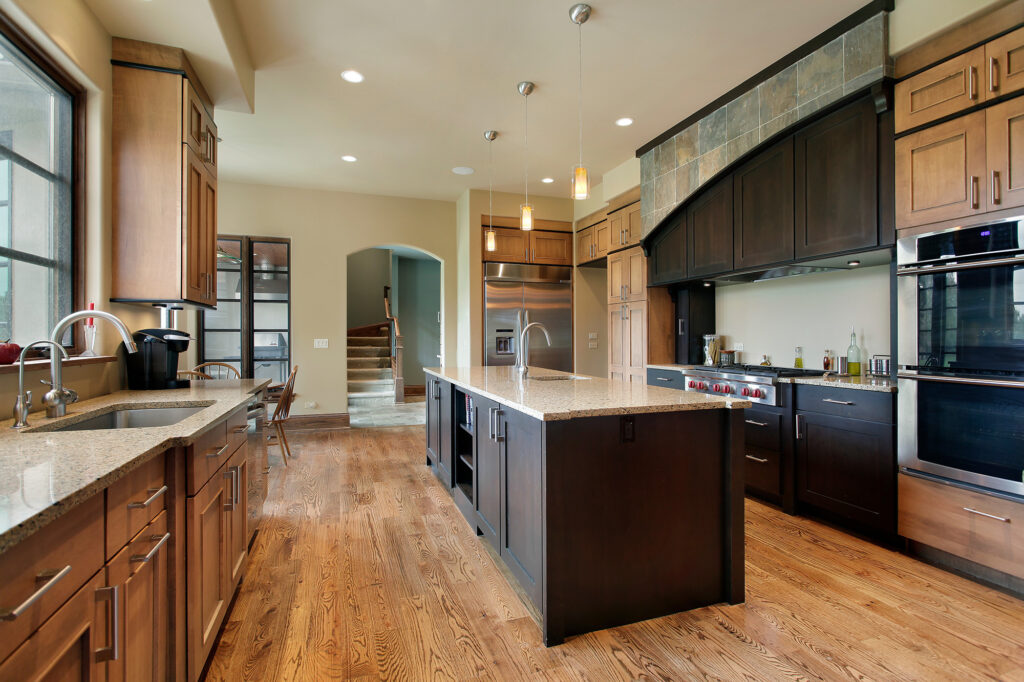
Historic homes across Cambridge, Brookline, and Newton possess timeless architectural beauty, but their floorboards often announce every step with sharp groans and pops.
Walking across a second-floor hallway or stepping into a Victorian parlor should not disrupt the entire house. Many older floors protest because decades of harsh seasonal climate shifts, rough-cut lumber settlement, and traditional construction methods allow floor layers to move against each other.
Modern hardwood installation methods eliminate friction between the subfloor and surface planks, giving you quiet, level floors that preserve your home’s historic warmth.
Why Century-Old New England Subfloors Creak and Pop
Older homes in Eastern Massachusetts rarely feature the flat, continuous plywood subfloors used in contemporary construction. Instead, builders in the late nineteenth and early twentieth centuries laid 1×6 or 1×8 pine planks diagonally across rough-sawn joists.
Time, heavy foot traffic, and changing seasons eventually break down those original assemblies.
- Loose Cut Nails: Early builders secured diagonal pine subfloors with smooth iron or steel cut nails. As floor joists flex over decades of daily footsteps, those fasteners slowly pull loose from the framing. When you walk across the floor, the wood moves up and down against the slick shaft of the nail, creating a sharp, metallic squeak.
- Severe Seasonal Humidity Swings: Winter radiator heat bakes indoor air dry, dropping humidity levels below 25 percent and causing floorboards to shrink. Humid summer breezes push moisture levels back up, forcing boards to expand tightly against each other. That continuous cycle of shrinking and swelling widens gaps between the tongue-and-groove joints, leaving planks free to rub together.
- Fieldstone Basement Drafts: Unfinished cellars across Arlington and Belmont allow damp air to hit the underside of first-floor joists while the rooms above remain dry. Uneven moisture absorption across the wood grain causes the subfloor boards to cup, creating hollow voids above the joists that groan under foot pressure.
Modern Subfloor Preparation: Securing the Foundation
Silencing a noisy floor starts long before the new hardwood planks come out of the box. Surface fixes like baby powder or short-finish nails driven through the top of the boards provide only temporary relief because they fail to address the movement below.
Professional installers strip away the compromised surface timber and inspect the original diagonal planks down to the joists.
Crews systematically walk the room to map deflection, pulling out squeaking cut nails and tightening the entire diagonal subfloor. Technicians drive specialized, self-tapping structural screws directly through the pine planks and deep into the center of each floor joist. Sanding down high ridges along the seams and filling low dips with leveling compounds creates a flat, rigid deck that stops vertical movement completely.
Specialized Underlayment Membranes: Silencing Wood-on-Wood Friction
Acoustic and vapor barrier membranes placed between the subfloor and the finish hardwood add an essential buffer against persistent creaks.
Direct contact between raw timber planks and an old pine deck invites friction whenever the floor moves. As daily foot traffic flexes the boards, dry wood surfaces slide against one another, generating subtle rubbing sounds across the room.
Professional crews roll out high-performance acoustic felt, silicone-impregnated underlayment, or elastomeric membranes over the secured subfloor before nailing down the new hardwood. The resilient material acts as a permanent shock absorber, smoothing out microscopic irregularities in the older deck and stopping wood-on-wood contact. These specialized underlayments also block damp air rising from historic fieldstone basements, protecting your surface planks from seasonal moisture cupping.
Advanced Fastening: Cleats and Flexible Polymer Adhesives
Traditional installation methods relied entirely on mechanical nails driven through the tongue of each board every eight to ten inches. While that technique works well for narrow, traditional strip flooring, wide-plank installations in open-concept renovations across Wellesley and Lexington call for stronger support.
Modern installations use a glue-assist method that combines traditional flooring cleats with elastomeric adhesives.
Installers apply serpentine beads of modified silane polymer glue to the back of each board before blind-nailing it into the prepared subfloor. That flexible adhesive creates a continuous bond between the hardwood and the subfloor deck. The glue absorbs everyday foot impact, buffers sound transmission between levels, and flexes slightly with normal humidity shifts without letting the planks pull away from the joists.
Restore Quiet Comfort with Proven Local Craftsmanship
AJ Rose has been family-owned and operated since 1977, helping local residents select and install durable surfaces tailored to the architectural quirks of Eastern Massachusetts homes. With an A+ BBB rating, over 1,000 positive reviews, and nearly 50 years of local service, our team makes updating your home straightforward and stress-free.
Visit one of our showrooms in Burlington, Natick, Needham, Lynnfield, or Belmont to explore beautiful hardwood collections in person, schedule a shop-at-home consultation to examine wood samples against your own baseboards, or contact us today to plan your installation.