

 Reviews
Hardwood Floor Gapping: Autumn Humidity Drops and Radiator Heat in Belmont Colonials
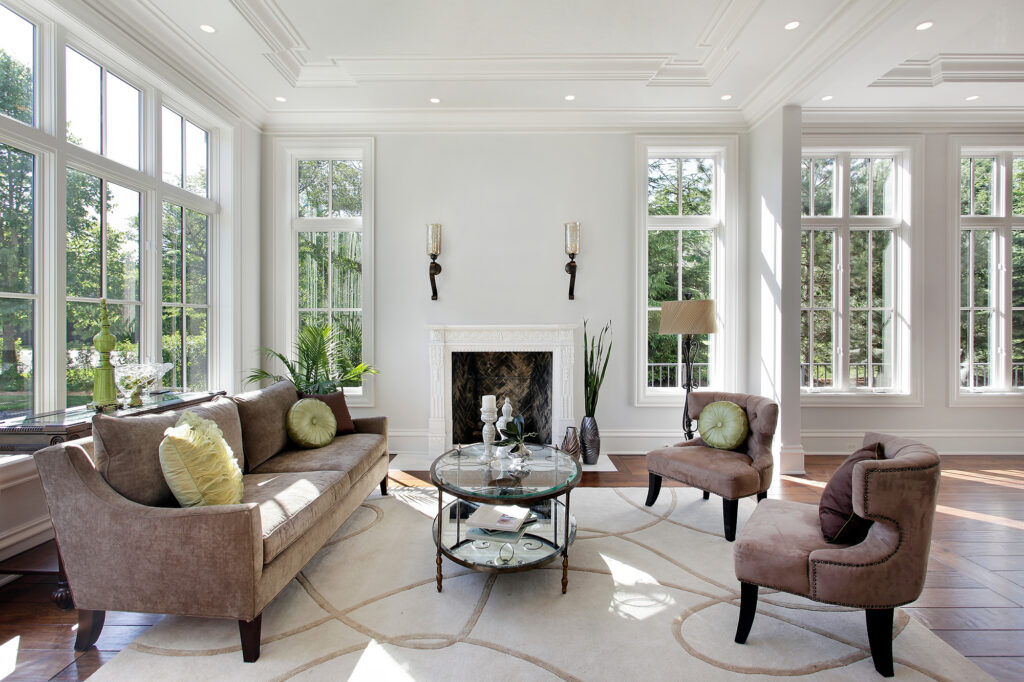
Autumn in Belmont brings a swift change in indoor air. As coastal humidity fades and steam radiators clank to life across the town’s historic center-hall colonials, the sudden environment shift pulls moisture directly from traditional solid hardwood planks. Gaps begin to appear between floorboards along hallways and living spaces. These spaces often cause concern, but understanding how seasonal shrinkage works helps you protect your classic flooring investment through the colder months ahead.
Why Cast-Iron Radiators and Autumn Weather Cause Board Shrinkage
Center-hall colonials throughout neighborhoods like Belmont Hill and Winn Brook feature original solid oak or pine floors that react directly to moisture levels in the surrounding air. During humid Eastern Massachusetts summers, wood cells absorb moisture and swell tightly together.
Once October temperatures drop and your boiler turns on, radiators produce intense, dry heat that rapidly bakes moisture out of the air. Indoor relative humidity levels often drop from a humid 65 percent down to a parched 20 percent in a matter of weeks. Because solid wood shrinks as it dries, planks pull away from each other along their edges. The result is visible hairline cracks or distinct gaps along the length of your floorboards.
Seasonal Gapping vs. Permanent Floor Damage
Distinguishing between natural wood movement and structural failure helps you decide on the proper care for your home.
- Normal Seasonal Movement: Gaps that open in late autumn and close naturally during humid summer months represent normal expansion and contraction. These gaps typically measure the thickness of a dime or a quarter, running uniformly across wide sections of the floor.
- Permanent Board Damage: Gaps wider than a quarter inch that stay open throughout summer humidity indicate permanent damage. Boards with split faces, loose fasteners, or cupped edges that stay distorted year-round usually signal broken tongue-and-groove joints, improper previous installations, or moisture issues beneath the subfloor.
Practical Steps to Prevent Severe Gaps
Maintaining proper moisture levels inside your home protects both your original boards and newer wood investments from severe shrinkage cycles.
- Maintain Target Humidity: Aim to keep your indoor relative humidity consistently between 35 percent and 55 percent. A whole-home humidifier connected to your heating system or standalone evaporative units placed near central hallways help counter the dry air generated by steam radiators.
- Avoid Quick-Fix Putty or Wood Fillers: Filling seasonal winter gaps with wood filler, caulk, or putty creates severe problems. When summer humidity returns, the boards naturally expand and crush the hardened filler, which permanently damages the edges of your wood boards and forces them to buckle upward.
- Keep Radiator Covers Functional: Radiator enclosures with built-in water trays help add localized moisture to the air before dry heat radiates directly across your floor surface.
Dimensional Stability: Rift-Sawn and Engineered Planks
When original floors reach the end of their lifespan, selecting the right plank construction makes a significant difference in how your floor handles Belmont’s seasonal climate shifts.
Plain-sawn solid boards, common in older homes, expand and contract across their full width, resulting in wide seasonal gaps. Rift-sawn and quarter-sawn solid hardwood cut the wood grain at a 45-to-90-degree angle, forcing movement to happen vertically rather than horizontally. This specialized grain orientation reduces visible surface gaps during winter heating seasons.
Engineered hardwood provides exceptional dimensional stability in historic architectural layouts. Built with a genuine hardwood surface bonded over multiple perpendicular core layers, engineered planks resist the pulling and shrinking caused by radiator heat. You enjoy the classic visual warmth of wide-plank white oak or hickory without the wide seasonal spaces common to solid wood.
Knowing When to Replace Your Belmont Hardwood
Older floors can often be preserved, but specific physical signs indicate that replacement is the smarter, long-term solution:
- Exposed Tongue-and-Groove Edges: Multiple rounds of aggressive sanding over decades wear away the wood above the groove, exposing fastener nails or splitting the board edges.
- Persistent Year-Round Voids: Gaps that trap debris and refuse to close during humid July days leave your floor drafty and structurally compromised.
- Extensive Board Movement: Boards that bounce, squeak loudly, or rock underfoot when stepped on indicate worn fasteners and cracked subfloor connections that simple refinishing cannot correct.
Discover Beautiful Hardwood Flooring with Proven Local Expertise
AJ Rose has been family-owned and operated since 1977, helping local residents select and care for durable surfaces built for life in Eastern Massachusetts. With an A+ BBB rating, over 1,000 positive reviews, and nearly 50 years of local service, our team makes updating your home straightforward and stress-free. Visit our Belmont showroom to examine stable rift-sawn and engineered hardwood samples in person, schedule a shop-at-home consultation to see how different plank styles perform under your home’s natural light, or contact us today to speak with a local flooring specialist.